—
Introduction: Why Banking Still Matters (Even When Everything Is Online)
Imagine waking up, checking your phone, and seeing that your paycheck has already landed in your account, your mortgage payment is scheduled, and a notification pops up: “You’ve earned $12 in interest today.” It feels like magic, but it’s really the result of a banking system that has evolved from brick‑and‑mortar vaults to the cloud‑based platforms we use today.
Whether you’re a recent graduate opening your first checking account, a small‑business owner looking for a loan, or a retiree planning to stretch your savings, understanding how banks operate—and how to make them work for you—can save you time, money, and stress. In this post we’ll demystify the core functions of modern banking, break down the most useful digital tools, and give you actionable steps to boost your financial health.
—
1. The Foundations of Banking: Deposits, Loans, and the Money‑Multiplying Engine
#### a. How Deposits Turn Into Credit
At its core, a bank is a middleman: it takes the money you deposit (checking, savings, or term deposits) and lends a portion of those funds to borrowers. This process is called fractional reserve banking. For every $1,000 you deposit, a bank might keep $100 in reserve and lend $900 to someone else. The borrower pays interest on that loan, and the bank shares a slice of that interest with you—your interest earnings on a savings account or CD.
Actionable tip:
- Shop for the best APY (Annual Percentage Yield). Even a 0.05% difference can add up to $50 extra per year on a $10,000 balance. Use comparison sites or your bank’s “rate calculator” tool to find the highest‑yielding savings product that meets your liquidity needs.
- Use a loan calculator before you apply. Plug in the loan amount, term, and interest rate to see the total cost of borrowing. This helps you compare offers and avoid hidden fees.
- Monitor the Fed’s policy announcements (or your country’s central bank). If a rate hike is on the horizon, consider locking in a fixed‑rate loan now, or shifting excess cash into a high‑yield savings account to capture higher returns later.
- Set up “instant alerts.” Enable push notifications for low balances, large withdrawals, or incoming deposits. This helps you catch fraud early and stay on top of budgeting.
- Integrate your accounts with a budgeting tool that categorizes spending automatically. Over a month, you’ll see where the “hidden” $200 in coffee runs or subscription services disappear, allowing you to reallocate that money toward savings or debt repayment.
- Enable 2FA on every banking app and use an authenticator app (Google Authenticator, Authy) rather than SMS, which is vulnerable to SIM swapping.
- Create a “rainy‑day” fund in a HYSA with at least three months of living expenses. Automate a $200 monthly transfer from checking to keep the fund growing without effort.
- Keep credit utilization below 30%. If you have a $5,000 limit, aim to carry no more than $1,500 in balances. Paying off the full statement balance each month avoids interest and improves your score.
- Start with a diversified ETF portfolio (e.g., a total‑stock market ETF + a total‑bond market ETF). Set up automatic monthly contributions (“dollar‑cost averaging”) to smooth out market volatility.
- If you’re new to banking, consider a neobank for a no‑fee checking account while you build a relationship with a traditional bank for larger loans or mortgages.
- Look for “community‑focused” loan programs if you own a small business in a disadvantaged area. They often come with lower rates and technical assistance.
- Take advantage of free bank‑provided resources. Sign up for a webinar on retirement planning, or download a budgeting worksheet from your bank’s website. Knowledge is a direct multiplier of your financial outcomes.
#### b. Types of Loans and What They’re Best For
| Loan Type | Typical Use | Typical Interest Rate (2024) | Key Feature |
|———–|————-|——————————|————-|
| Personal Loan | Debt consolidation, large purchases | 6‑12% (fixed) | Fixed payments, quick approval |
| Auto Loan | New or used vehicle | 3‑7% (fixed) | Shorter terms (3‑5 yr) |
| Mortgage | Home purchase or refinance | 5‑6.5% (fixed) / 4‑5.5% (5‑yr ARM) | Long term (15‑30 yr), tax‑deductible interest |
| Home‑Equity Line of Credit (HELOC) | Home‑improvement, emergency funds | 4‑8% (variable) | Revolving credit, interest only on used amount |
| Small‑Business Loan | Working capital, equipment | 5‑10% (fixed/variable) | May require collateral or personal guarantee |
Actionable tip:
#### c. The Role of Central Banks and Interest Rates
Central banks (e.g., the Federal Reserve in the U.S.) set the policy rate, which influences the rates banks charge you. When the Fed raises rates, borrowing becomes more expensive but savings rates usually climb too. Conversely, a rate cut can stimulate borrowing but may depress your interest earnings.
Actionable tip:
—
2. Digital Banking: Tools That Put Your Money at Your Fingertips
#### a. Online and Mobile Banking Basics
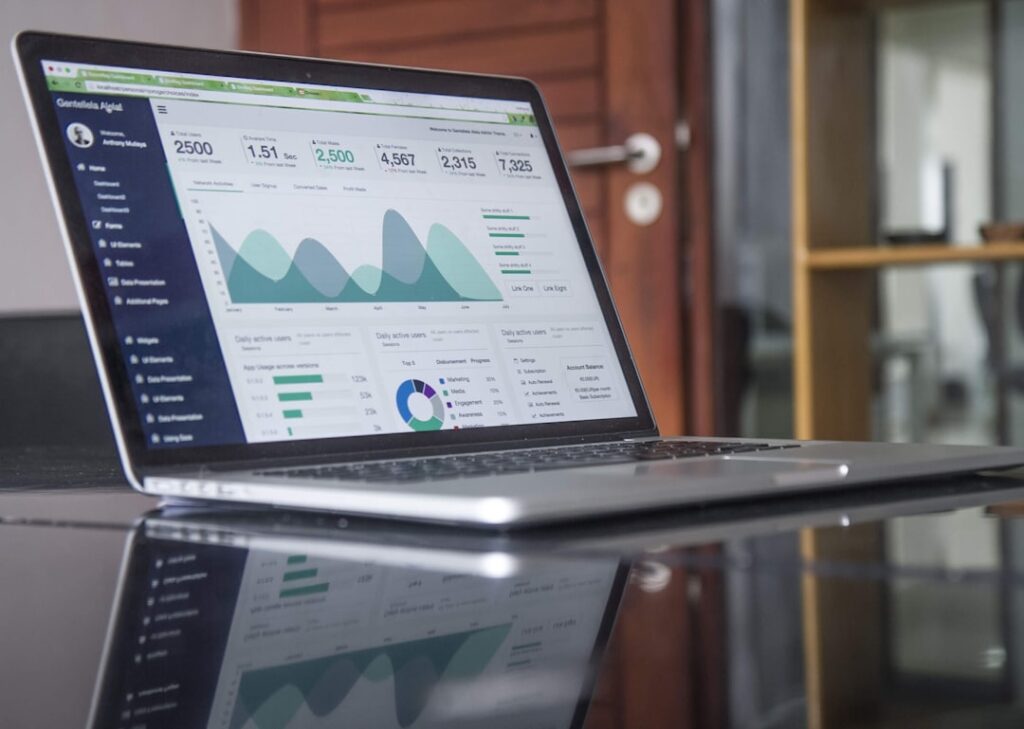
Most banks now offer online banking portals and mobile apps that let you:
1. View balances in real time
2. Transfer funds between accounts (including external banks)
3. Pay bills automatically or on demand
4. Deposit checks by snapping a photo (mobile check deposit)
These features not only save trips to a branch but also give you granular control over cash flow.
Actionable tip:
#### b. The Rise of Fintech and Open Banking
Fintech startups are reshaping banking with API‑driven services that let you link your bank account to budgeting apps (e.g., Mint, YNAB), investment platforms (e.g., Robinhood, Acorns), or payment services (e.g., Venmo, Zelle). Open banking regulations in many regions require banks to share data securely with third‑party providers, giving you more choice and competition.
Actionable tip:
#### c. Security First: Protecting Your Digital Wallet
While digital banking is convenient, it also presents cyber‑risk. Here are the top safeguards:
| Security Measure | How It Works | Why It Matters |
|——————|————–|—————-|
| Two‑Factor Authentication (2FA) | Requires a second code (SMS, authenticator app) | Stops attackers even if password is stolen |
| Biometric Login | Uses fingerprint or facial recognition | Harder to spoof than passwords |
| Automatic Log‑out | Ends session after inactivity | Reduces chance of “session hijacking” |
| Encryption | Data scrambled during transmission | Prevents eavesdropping on public Wi‑Fi |
Actionable tip:
—
3. Building Wealth Through Banking Products
#### a. Savings Strategies That Actually Grow Money
1. High‑Yield Savings Accounts (HYSA): Often offered by online‑only banks, HYSA rates can be 10‑20× higher than traditional brick‑and‑mortar accounts.
2. Certificates of Deposit (CDs): Lock your money for a set term (3 months to 5 years) and earn a higher fixed rate. Laddering CDs (multiple CDs with staggered maturities) gives you liquidity while capturing higher yields.
3. Money‑Market Accounts: Blend checking flexibility with higher interest rates, typically requiring a higher minimum balance.
Actionable tip:
#### b. Using Credit Wisely to Boost Your Score
A good credit score unlocks lower loan rates, better credit‑card rewards, and even rental approvals. Banks assess your credit behavior through payment history, credit utilization, length of credit history, and recent inquiries.
Actionable tip:
#### c. Investing Through Your Bank
Many banks now offer self‑directed brokerage accounts and Robo‑advisors that let you invest in ETFs, mutual funds, and stocks without leaving the bank’s ecosystem. While fees can be higher than pure‑play brokerages, the convenience of a single login and integrated reporting appeals to many.
Actionable tip:
—
4. Financial Inclusion: How Banking Is Reaching the Underserved
#### a. Mobile‑First Banks and “Bank‑Lite” Solutions
In emerging markets, mobile money platforms (e.g., M‑Pesa in Kenya) have given millions access to basic financial services without a physical branch. In the U.S., “neobanks” like Chime and Varo provide fee‑free checking accounts, early direct‑deposit, and no‑minimum balances, targeting the underbanked.
Actionable tip:
#### b. Community Development and Small‑Business Support
Banks often allocate a portion of their loan portfolio to Community Development Financial Institutions (CDFIs) that focus on low‑income neighborhoods. These loans can fund affordable housing, small‑business startups, and local infrastructure.
Actionable tip:
#### c. Education and Financial Literacy Programs
Many banks sponsor financial‑literacy workshops, webinars, and online courses covering budgeting, credit building, and retirement planning.
Actionable tip:
—
Conclusion: Key Takeaways for Smarter Banking
1. Know the core mechanics – Deposits become loans, and the interest spread is how banks profit. Leverage this by choosing high‑yield savings and low‑cost loans.
2. Embrace digital tools – Mobile apps, budgeting integrations, and real‑time alerts give you control and visibility over every dollar.
3. Prioritize security – Enable two‑factor authentication, biometric logins, and monitor alerts to protect your accounts.
4. Use banking products to build wealth – Automate savings, manage credit responsibly, and start investing through low‑fee, diversified options.
5. Stay informed about financial inclusion – New‑age neobanks, community loan programs, and free educational resources can level the playing field and help you achieve long‑term stability.
Banking isn’t just a place to stash cash; it’s a dynamic platform that, when used strategically, can accelerate your financial goals, protect your assets, and open doors to opportunities you might not have imagined. Take the actionable steps outlined above, keep an eye on interest‑rate trends, and let modern banking work for you—not the other way around.
—
Keywords used naturally throughout: banking, digital banking, online banking, financial services, loans, savings, high‑yield savings account, credit score, fintech, open banking, financial inclusion, mobile banking, banking security, interest rates, investment, budgeting, financial literacy.